
The Complete Guide to
Pilot Training in Maryland (2026)
How to pick a Maryland flight school with confidence: the rules, the airplane, the instructor, the full cost and the plan for weather and work, in one place.

The Basics
What Pilot Training in Maryland Involves, in Plain English
Pilot training is the path from your first lesson to an FAA certificate, such as the private pilot certificate, and then to ratings such as instrument and commercial. In Maryland you choose a school, an instructor and a pace, and you train in an airplane with ground study and, at schools that build it in, simulator practice that makes each airplane hour count.
Our Private Pilot License, Instrument Rating and Commercial Pilot License programs train in our fleet of Cessna 172s at Fort Meade Executive Airport (KFME) in Fort Meade, with the simulator built in. The right school for you is the one whose answers hold up when you ask the questions in this guide.
Go deeper
Pick the Chapter You Need Next
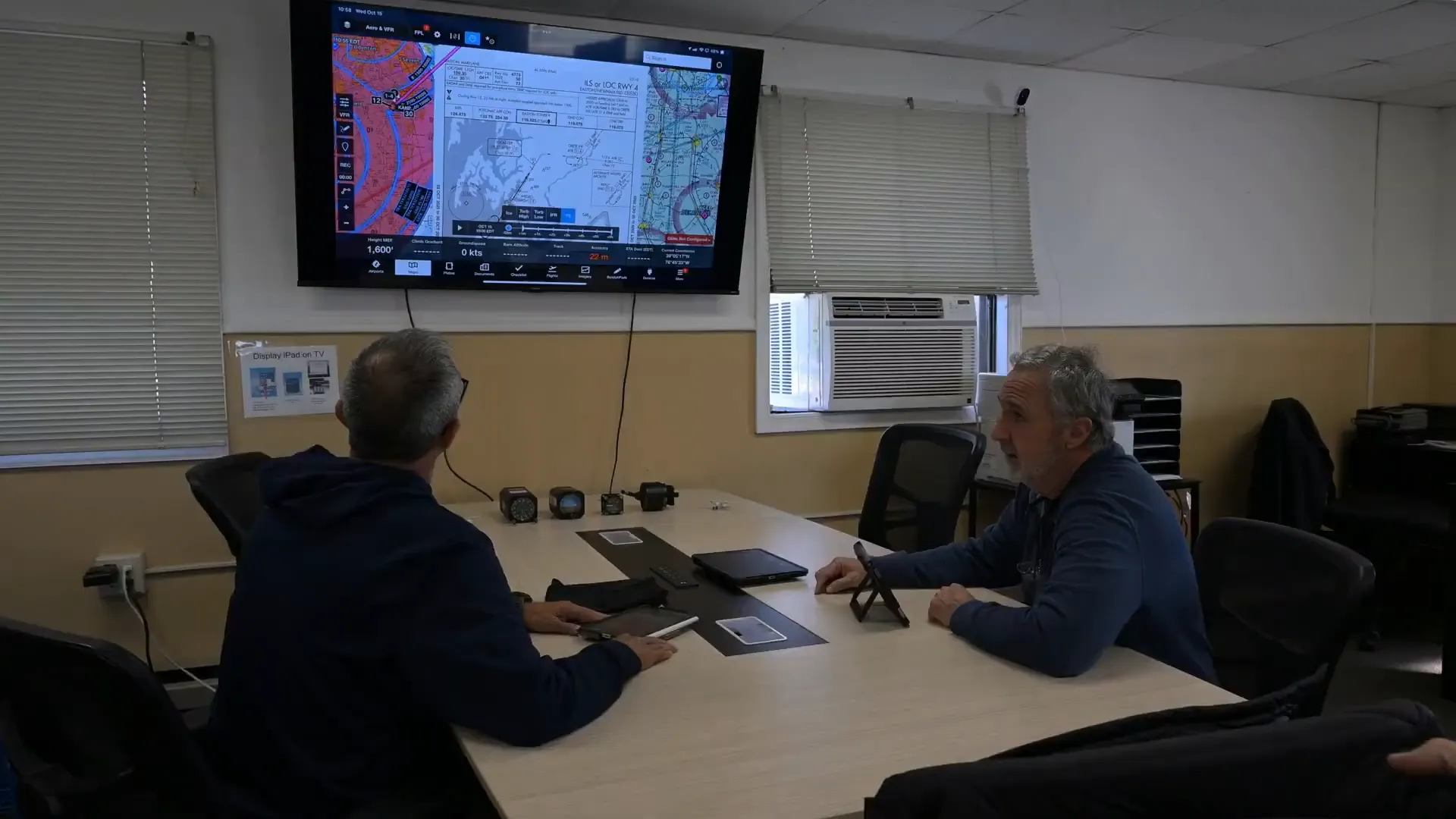
9 Questions to Ask Before You Choose a Maryland Flight School in 2026
A checklist you can use at any school on your list.
Learn more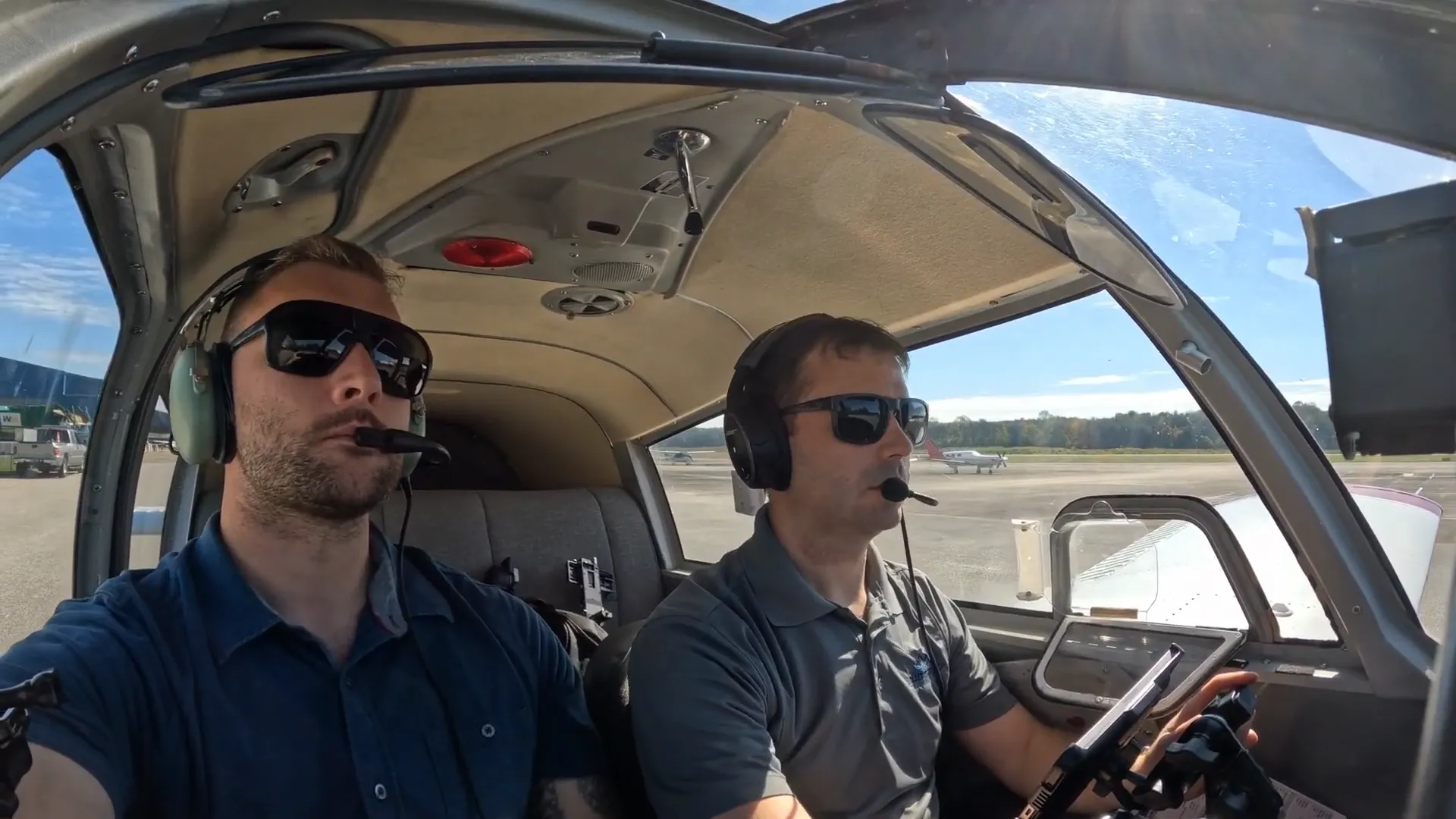
What a Cessna 172 Lesson Looks Like in Maryland
Meet the plane and the instructors who teach in it.
Learn more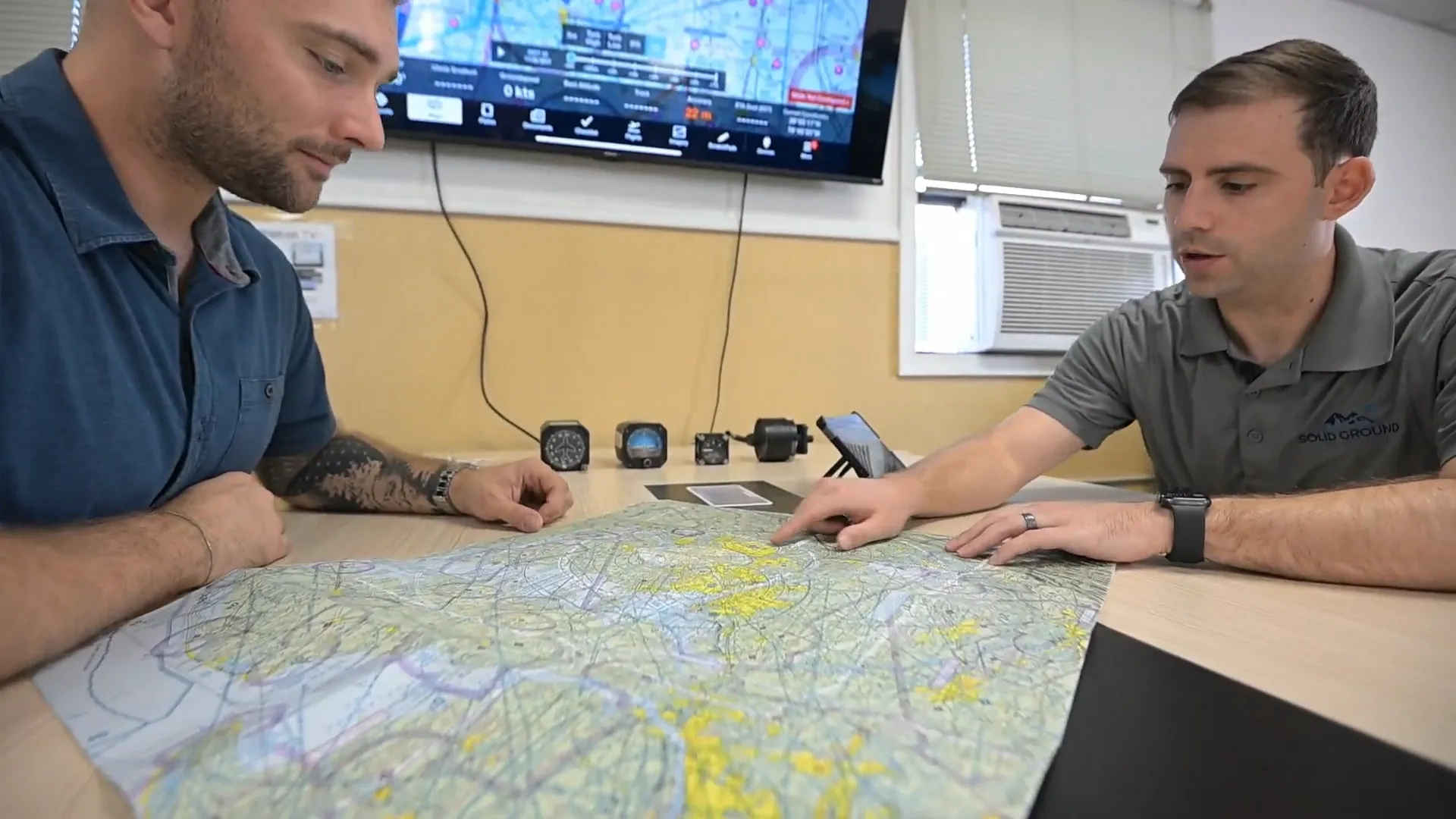
How to Fit Flight Lessons Around Work and Weather in Maryland
A weekly rhythm for a full calendar and a changing forecast.
Learn more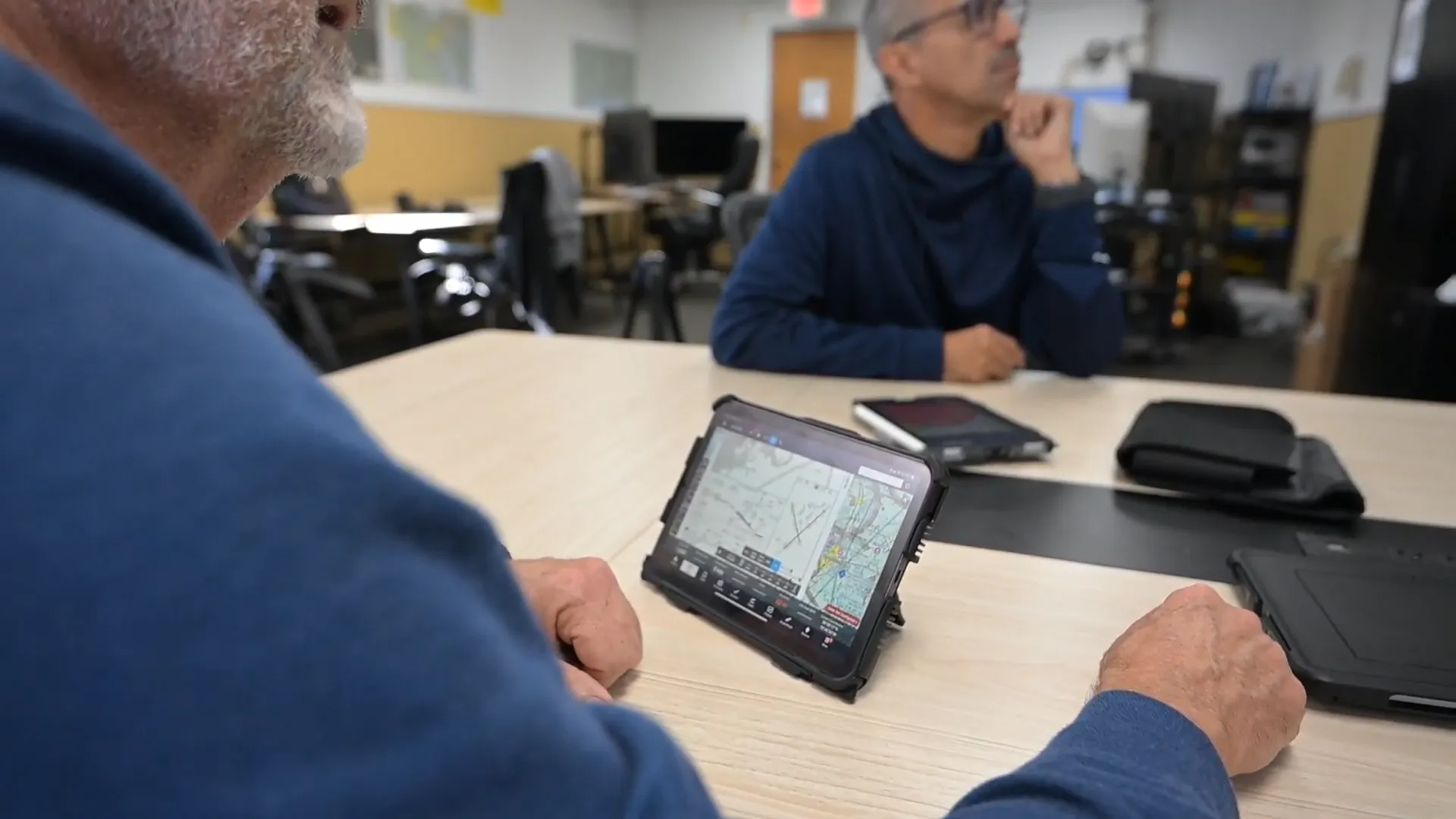
What a Flight School's Hourly Rate Includes, and What It Doesn't
The questions that turn a quote into a real total.
Learn more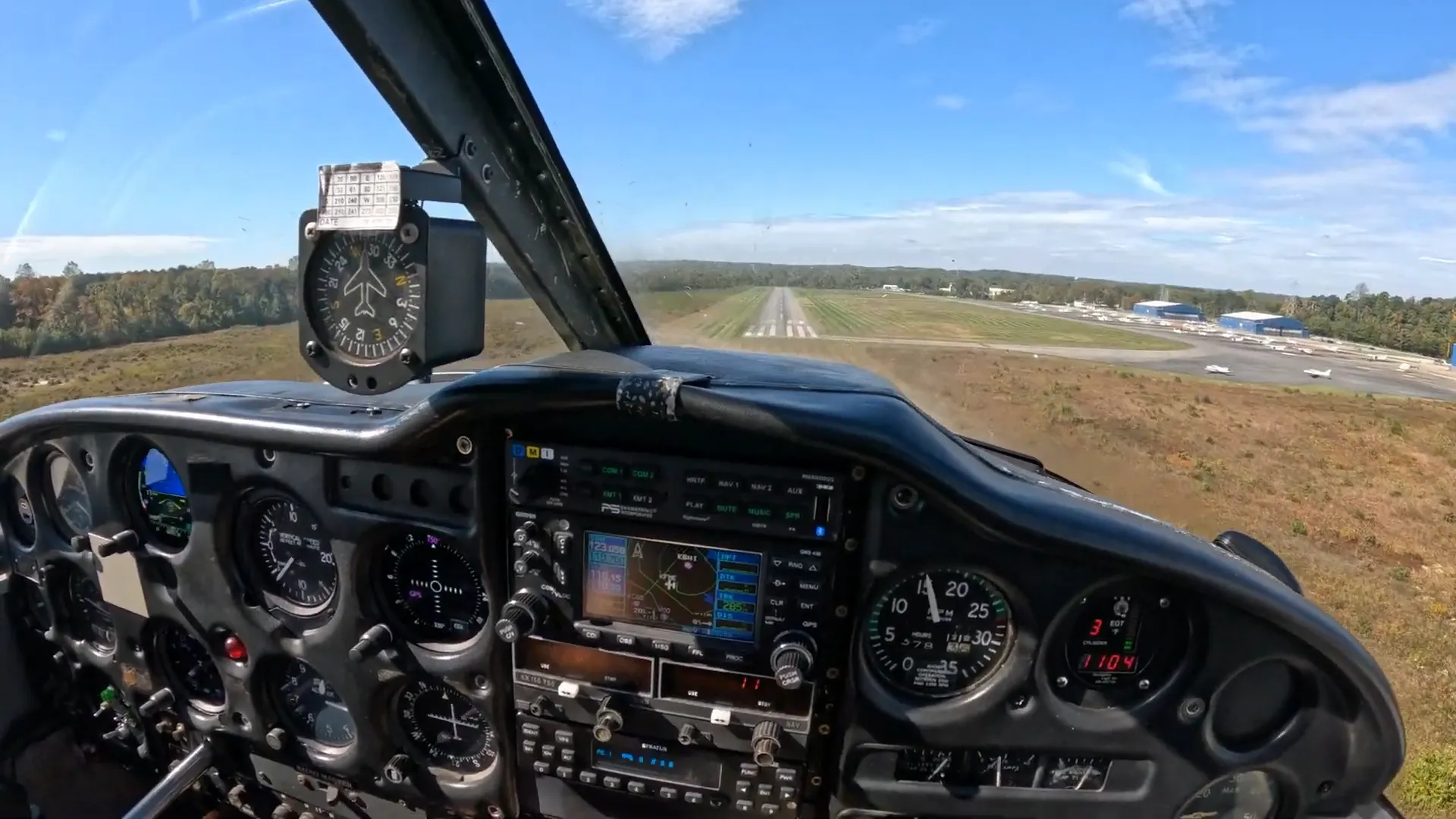
Part 61 vs Part 141 Flight Training in Maryland
A fair comparison of the two sets of FAA rules.
Learn more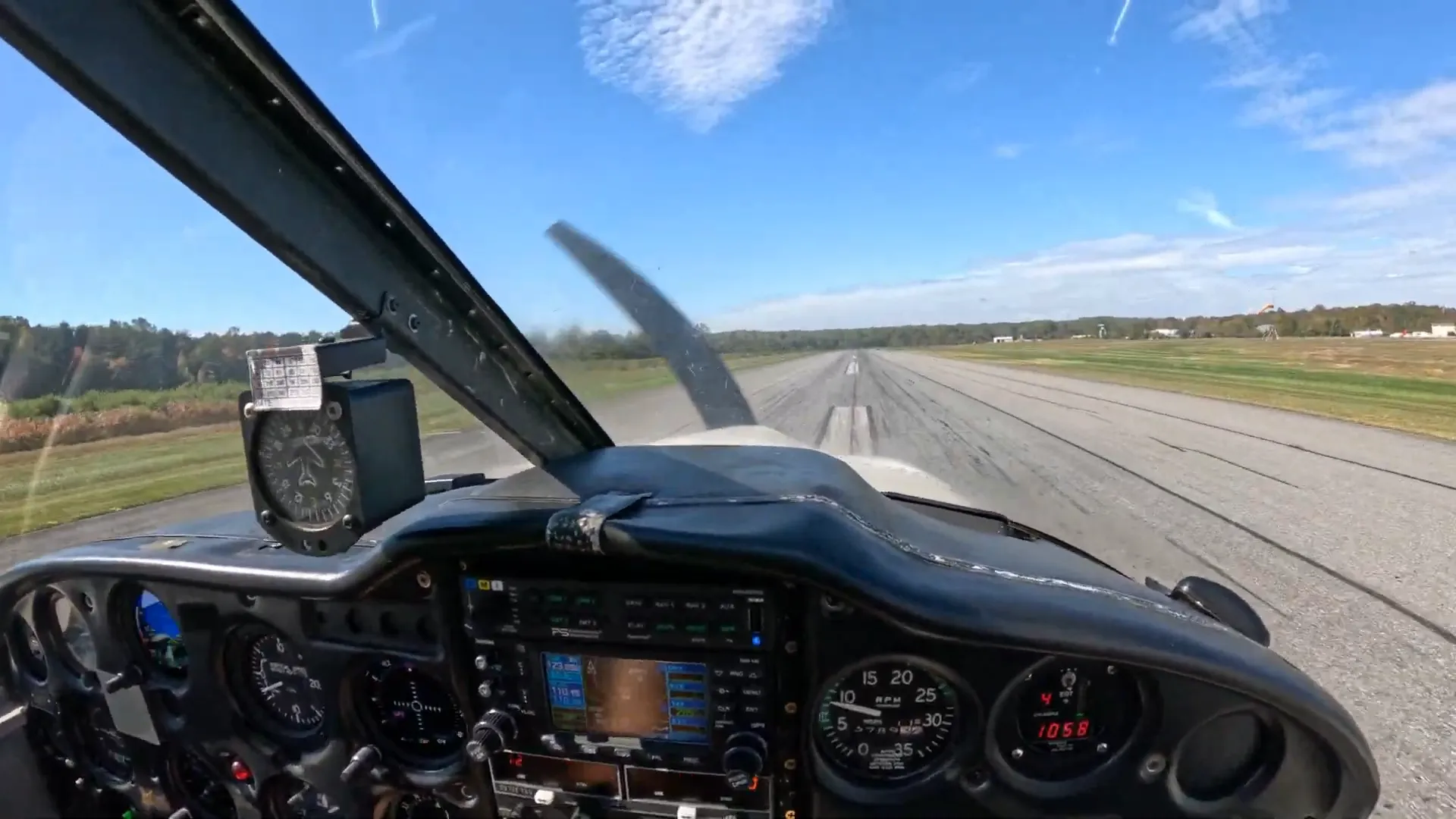
Fuel Prices Are Rising: How Simulator Training Keeps Your Costs Down
The 2026 avgas numbers and how to reduce your exposure.
Learn moreWhy Train With Us: Airplane and Simulator, Working Together
We are a Part 61 Flight Training Center at Fort Meade Executive Airport (KFME), and we fly our fleet of Cessna 172s with G5 instruments and Garmin GPS. Our SG-2 simulators are FAA-approved, so your instructor can pause an approach, replay it and fly it again until it is calm, then take it into the airplane.
That keeps your airplane hours for what only an airplane can teach, and we don't cancel lessons. When the weather or an airplane says no, your lesson moves to the simulator or ground instruction, so your training keeps moving. Meet our instructors, see the fleet or tour the simulators.
Why It Matters
Why Your Choice of School Decides Your Time and Your Budget
Training goes wrong in predictable ways. Lessons that drift apart mean you relearn last week, weather cancels airplane flights, and charges you did not see coming change your total. The answers to a few plain questions protect your calendar and your wallet, and our nine-question checklist shows you which ones to ask.
Time Is Your Biggest Variable
The FAA minimum for a private pilot certificate under Part 61 is 40 hours, and the FAA cites about 75 hours as the U.S. average. Where you land depends on how often you fly and how prepared you arrive, so a plan that fits your calendar matters. See how to fit lessons around work and weather.
Cost Has More Lines Than the Hourly Rate
A Cessna 172 is $185 an hour and instruction is $70 an hour, and both come before ground instruction, testing and supplies. Fuel prices also move, and the 2026 numbers show why simulator practice reduces your exposure. Read what an hourly rate includes.
Your Budget
Build the Plan Around Your Numbers
Bring your budget or financing plan to your first conversation and we will build the plan around it.


Step by Step
Your Roadmap to Choosing a Maryland Flight School
Step 1: Name your goal and your starting point
Decide whether you are aiming for a private pilot certificate, an instrument rating, a commercial certificate or a return to flying. Our Private Pilot License, Instrument Rating and Commercial Pilot License programs train in our Cessna 172s. Our accelerator programs are simulator programs and do not include airplane lessons.
Step 2: Choose your rules and your pace
Most schools train under Part 61 or Part 141. Part 141 schools run FAA-approved courses with a set syllabus, and Part 61 training can offer more scheduling flexibility. Neither is better for everyone, and our programs follow Part 61. Read the Part 61 vs Part 141 comparison.
Step 3: Meet the airplane and the instructor
Ask to see the airplane and meet the person who will teach you. See what a Cessna 172 lesson looks like, then meet our team and book a Discovery Flight.
Step 4: Get the full cost in writing
Ask for the aircraft rate, the instructor rate and what else you will pay for before the checkride, including fuel, ground time, testing and supplies. Use our checklist of rate questions, and bring your budget or financing plan to your first conversation.
Step 5: Plan around work and weather
Map a weekly rhythm of ground study, simulator practice and airplane lessons, and ask what happens when the weather says no. We don't cancel lessons, because weather or maintenance days move to the simulator or ground instruction. Read how to fit lessons around work and weather.
Next Step
Start With a Discovery Flight
Meet an instructor, see our Flight Training Center and get a plan for your first steps in flying.
Questions & Answers
Frequently Asked Questions
Everything you need to know about The Complete Guide to Pilot Training in Maryland (2026).
Still have questions?
Get in touch with our team at Fort Meade Executive Airport (KFME) to discuss simulator training, scheduling, or custom packages.

Pick Your Maryland Flight School With Confidence in 2026
Bring your questions, your calendar and your budget, and we will help you plan your first step. Book a Discovery Flight and see the airplane, the simulator and the team for yourself.